
Is a Hole Saw Cutter Suitable for Your Installation Needs
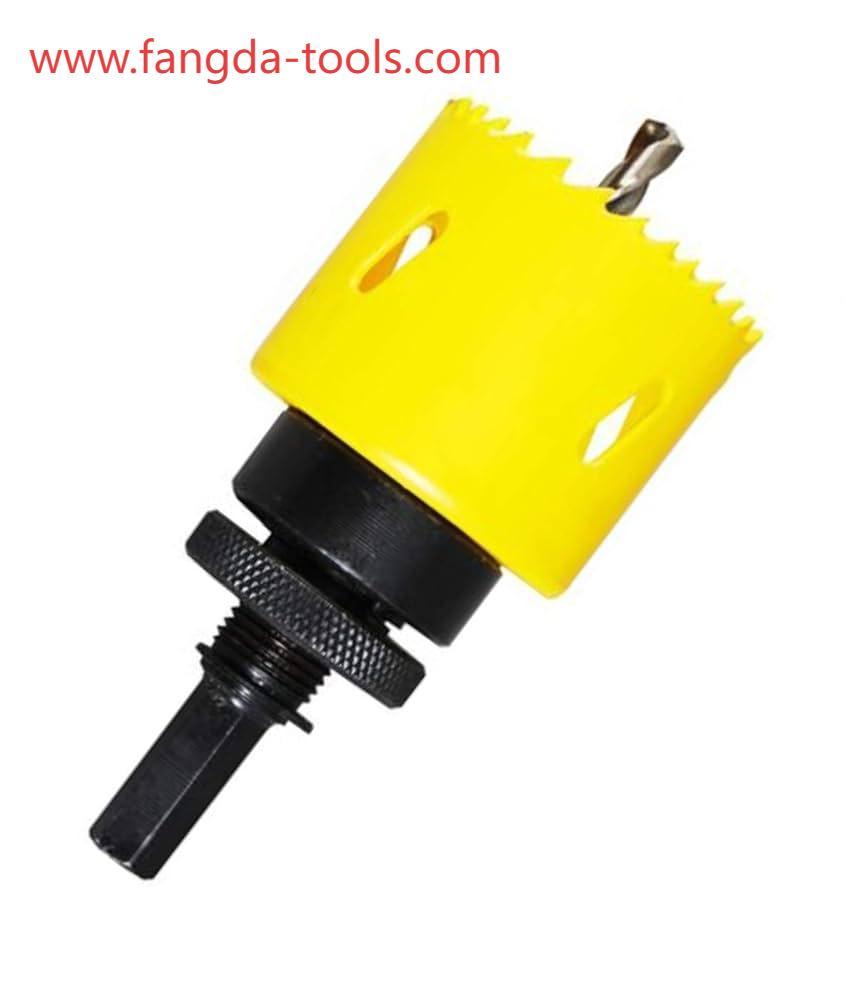
In many workshops and installation settings, users look for tools that allow them to create round openings with steady control. Among the commonly discussed options is the Hole Saw Cutter from fangda-tools, noted for its measured structure and practical approach to cutting without relying on exaggerated descriptions. Its thoughtful arrangement of teeth and stable body design gives users a balanced way to form openings across a range of materials, supporting work routines that value predictability and rhythm.
A central reason why users turn to this type of cutter is the dependable cutting profile it offers. Its design supports repeated drilling without rapid dulling, giving users a more continuous workflow. This is especially helpful when moving between different project phases, such as electrical installations, carpentry tasks, or pipe-related applications, where consistent hole sizing is important.
Another aspect that appeals to many is the balanced feel during operation. By maintaining stable rotation, the cutter reduces unnecessary wobble, allowing users to guide the tool with more confidence. This steadiness is valuable when precision matters, such as when openings must align with fittings, connectors, or components placed later in the assembly process.
Practical compatibility also plays a meaningful role in choosing such a tool. A cutter that fits standard drill chucks and works across various common materials—such as wooden panels, layered composites, or light construction boards—allows users to switch tasks without reorganizing their entire setup. This flexibility supports smoother progress, especially in environments where time efficiency influences daily planning.
As project demands shift, users often appreciate cutters that maintain uniform behavior. A consistent hole profile helps ensure predictable spacing, cleaner edges, and better fit for fixtures or hardware. This reliability is especially valued in projects where repeated openings must match in size, depth, and position.
For those preparing new installations or adjusting their workshop tool set, selecting a cutter with a steady structure can simplify the process. The ability to form openings cleanly and with a stable motion can influence both the speed and accuracy of an entire work cycle.
If you are revisiting your toolkit or planning tasks that require precise, round openings, taking a closer look at different cutter formats may help clarify your direction. A well-chosen tool can add clarity and structure to your workflow, making each step more manageable.
To explore how practical cutting tools might shape your next project direction, visit https://www.fangda-tools.com/product/ and let a single click open unexpected possibilities for your workspace.


 فارسی
فارسی
 English
 French
 Spanish
 Portuguese
 Turkish
 Dutch
Dutch
 Italiano
 Russian
 Romaian
 Portuguese (Brazil)
 Greek
Greek
 Arabic