
BMW Engine: Engineering Excellence and Performance Innovation
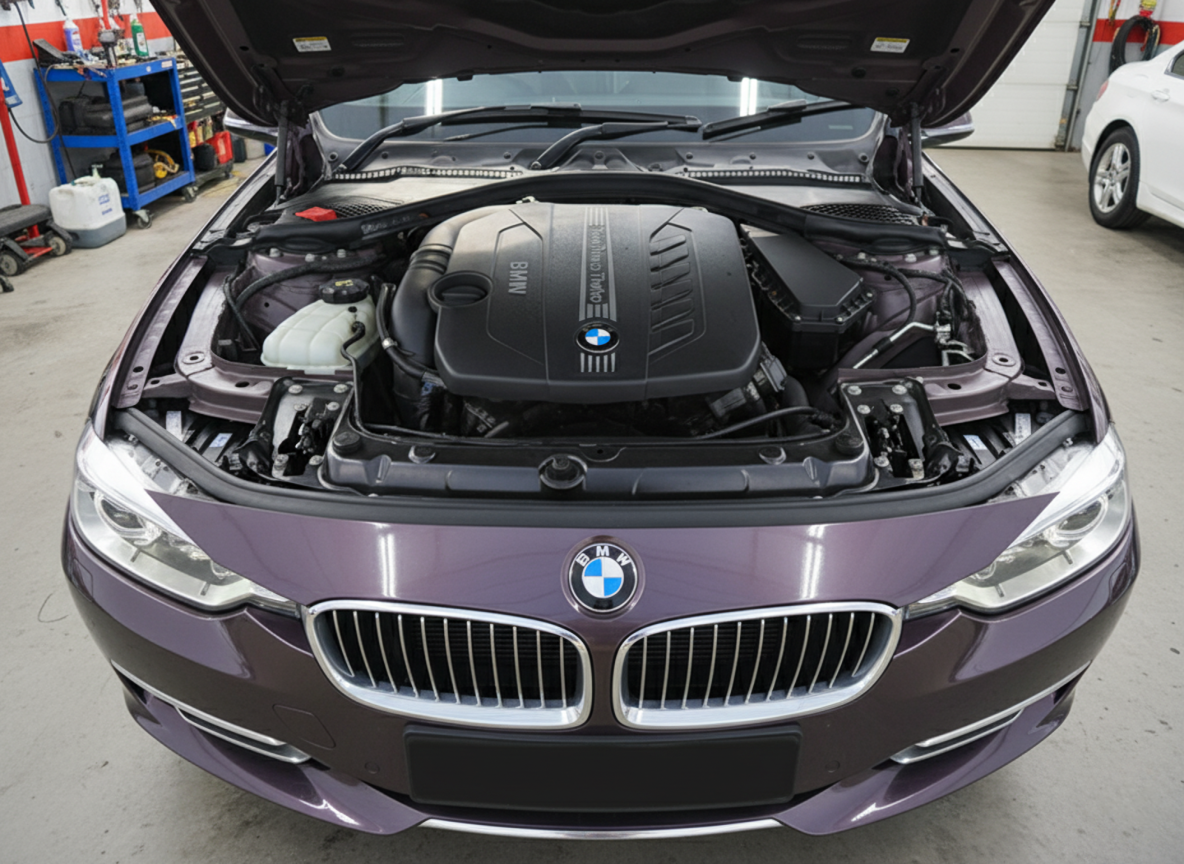
Introduction
BMW, short for Bayerische Motoren Werke, is globally recognized as one of the most innovative automobile manufacturers in the world. Known for combining luxury with performance, BMW has built its reputation largely on the quality and engineering brilliance of its engines. From smooth inline-six engines to advanced hybrid powertrains, BMW engines represent precision, efficiency, and driving pleasure. Over the decades, the company has continuously evolved its engine technology to meet modern demands for power, fuel efficiency, and environmental responsibility.
This article explores the history, design philosophy, technological innovations, and future direction of BMW engines.
The History of BMW Engines
BMW’s journey began in 1916 as an aircraft engine manufacturer. Early success in aviation engineering laid the foundation for the company’s expertise in high-performance engines. After World War I, BMW shifted its focus toward motorcycles and automobiles, applying aviation precision to vehicle engine development.
During the mid-20th century, BMW gained recognition for producing reliable and sporty engines that emphasized smooth performance. The introduction of the inline-six engine became a defining moment for the brand, establishing a balance between power and refinement that still characterizes BMW vehicles today.
As automotive technology advanced, BMW consistently invested in research and development, ensuring its engines remained competitive in both performance and efficiency.
BMW’s Engine Design Philosophy
BMW engines are designed around a central idea often described as “driving pleasure.” This philosophy focuses on delivering responsive acceleration, balanced power delivery, and smooth operation.
Key principles behind BMW engine design include:
-
Precision engineering for durability and performance
-
Balanced weight distribution to improve vehicle handling
-
Efficient combustion technology for reduced fuel consumption
-
Driver-focused performance characteristics
Unlike many manufacturers that prioritize only power output, BMW aims to create engines that feel refined and engaging under all driving conditions.
Inline Engines: The Signature of BMW
One of BMW’s most iconic contributions to automotive engineering is the inline engine configuration, especially the inline-six (straight-six) engine.
Inline-Four Engines
BMW’s inline-four engines are commonly used in compact and mid-size models. These engines are designed to provide strong fuel economy while maintaining impressive performance. Turbocharging technology allows smaller engines to produce power levels once associated with larger engines.
Inline-Six Engines
The inline-six engine is often considered BMW’s masterpiece. Its natural balance reduces vibration, resulting in exceptionally smooth operation. BMW has refined this configuration over decades, making it a benchmark in the automotive industry.
Modern inline-six engines combine turbocharging, direct fuel injection, and advanced cooling systems to deliver both efficiency and high horsepower.
TwinPower Turbo Technology
A major innovation in BMW engine development is TwinPower Turbo technology. Despite the name, it does not always mean two turbochargers; instead, it refers to a combination of advanced technologies designed to enhance engine performance.
Key components include:
-
Turbocharging for increased power output
-
Direct fuel injection for precise fuel delivery
-
Variable valve timing (Double VANOS)
-
Variable valve lift (Valvetronic)
Together, these systems improve throttle response, reduce fuel consumption, and lower emissions while maintaining strong acceleration.
Fuel Efficiency and Environmental Responsibility
Modern automotive engineering requires a balance between performance and sustainability. BMW has invested heavily in improving fuel efficiency without sacrificing driving dynamics.
Technologies contributing to efficiency include:
-
Start-stop systems that reduce idle fuel usage
-
Lightweight engine materials such as aluminum alloys
-
Intelligent energy management systems
-
Advanced exhaust treatment technologies
BMW’s Efficient Dynamics program integrates these features across its engine lineup, helping reduce environmental impact while maintaining performance standards.
High-Performance BMW M Engines
BMW’s motorsport division, known as BMW M, produces high-performance engines designed for enthusiasts and racing applications. M engines are engineered with a focus on speed, precision, and track capability.
Features commonly found in BMW M engines include:
-
High-revving engine designs
-
Reinforced internal components
-
Advanced cooling systems
-
Motorsport-inspired turbocharging
These engines deliver exceptional acceleration and responsiveness, transforming luxury vehicles into performance machines. BMW M engines demonstrate how racing technology can influence everyday driving experiences.
Hybrid and Electric Powertrain Integration
As the automotive industry transitions toward electrification, BMW has adapted its engine technology to include hybrid and electric solutions.
Plug-in Hybrid Engines
BMW plug-in hybrids combine traditional combustion engines with electric motors. This setup allows drivers to operate in electric-only mode for short distances while maintaining the power and range of a gasoline engine.
Electric Transition
Although electric vehicles do not use conventional engines, BMW applies its engineering philosophy to electric drivetrains, focusing on efficiency, smooth power delivery, and performance consistency.
Hybrid systems serve as a bridge between traditional engines and fully electric mobility.
Reliability and Maintenance Considerations
BMW engines are engineered for high performance, but they also require proper maintenance to operate at their best. Regular servicing ensures longevity and consistent performance.
Important maintenance practices include:
-
Timely oil changes using recommended synthetic oils
-
Cooling system inspections
-
Proper fuel quality usage
-
Regular software updates in modern models
When maintained correctly, BMW engines can achieve impressive durability while retaining their performance characteristics.
Technological Innovations and Smart Engine Management
Modern BMW engines rely heavily on electronic control systems. Engine Control Units (ECUs) continuously monitor performance variables such as air intake, fuel mixture, temperature, and emissions.
Smart technologies include:
-
Adaptive driving modes that adjust engine response
-
Predictive energy management
-
Integrated sensors for real-time optimization
These innovations allow engines to adapt to different driving styles, improving both efficiency and driving comfort.
The Future of BMW Engines
The future of BMW engines lies in a combination of efficiency, electrification, and sustainability. While internal combustion engines remain important, BMW is investing heavily in hybrid systems, hydrogen technology, and electric mobility.
Future developments are expected to focus on:
-
Reduced carbon emissions
-
Alternative fuels and hydrogen combustion
-
Increased electrification integration
-
Enhanced digital engine management systems
BMW aims to maintain its performance heritage while adapting to global environmental challenges.
Conclusion
BMW engines represent a unique blend of engineering precision, innovation, and driving excitement. From its origins in aircraft engines to modern turbocharged and hybrid powertrains, BMW has consistently pushed the boundaries of automotive technology. The company’s dedication to balanced performance, efficiency, and advanced engineering has made its engines some of the most respected in the automotive world.
As the industry evolves toward sustainable mobility, BMW continues to redefine what an engine can be—combining traditional mechanical excellence with modern technological innovation. Whether powered by gasoline, hybrid systems, or electricity, BMW’s commitment to delivering an engaging driving experience ensures its engines will remain influential for years to come.
For more information.

 فارسی
فارسی
 English
 French
 Spanish
 Portuguese
 Turkish
 Dutch
Dutch
 Italiano
 Russian
 Romaian
 Portuguese (Brazil)
 Greek
Greek
 Arabic