
Land Rover Engine: Engineering Power, Performance, and Innovation
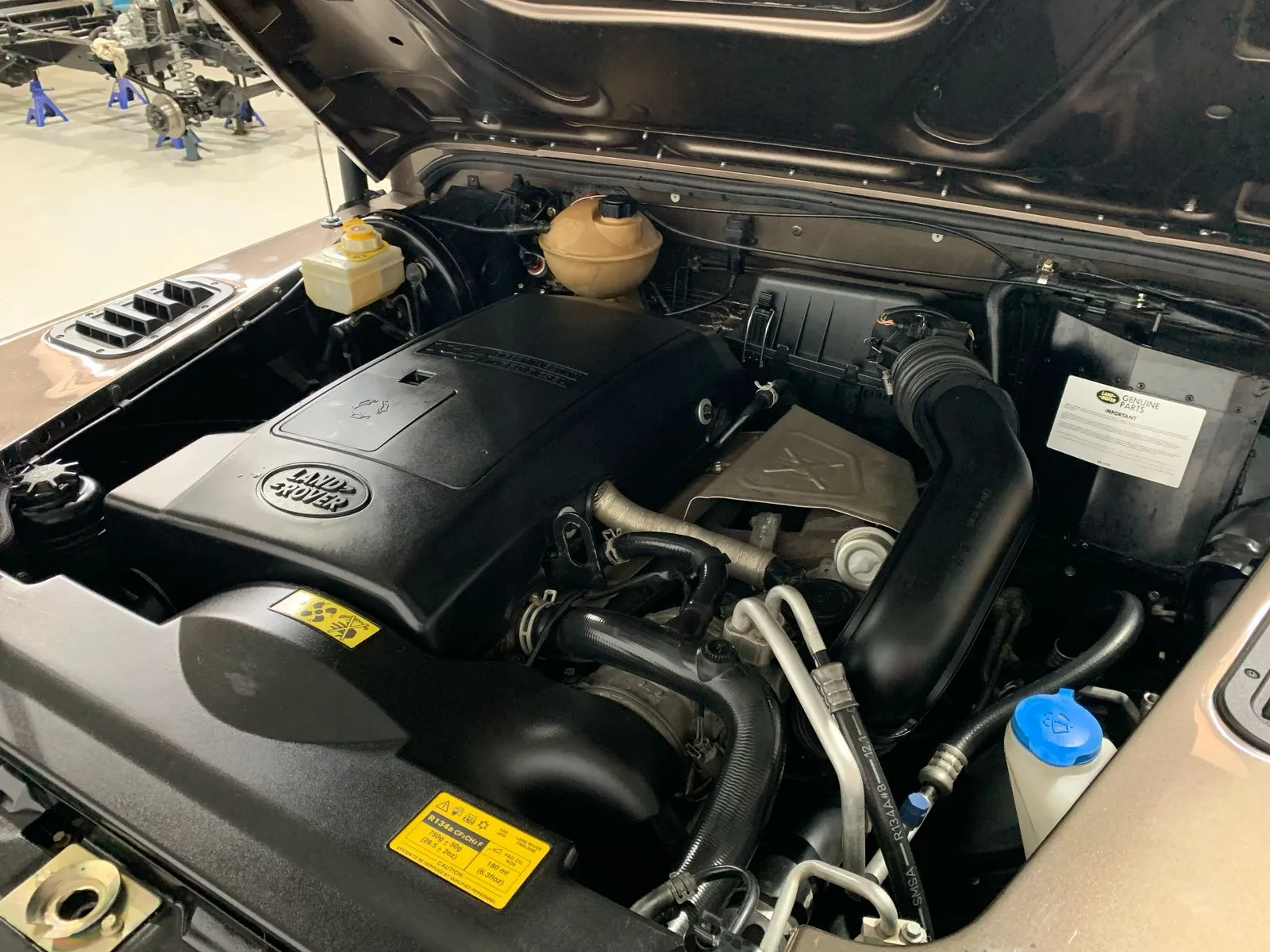
Introduction
The reputation of Land Rover vehicles is deeply connected to their powerful and reliable engines. Designed to handle extreme terrains while delivering refined on-road performance, Land Rover engines represent a balance between strength, luxury, and technological innovation. From early rugged mechanical systems to today’s advanced hybrid and turbocharged powertrains, Land Rover engines have evolved significantly while maintaining their core purpose — delivering dependable performance in all driving conditions.
This article explores the history, design philosophy, types, technologies, and future developments of Land Rover engines, highlighting why they remain among the most respected automotive power units in the world.
The History of Land Rover Engines
Land Rover began its journey in 1948 with vehicles built primarily for agricultural and military use. Early models featured simple petrol engines focused on durability rather than speed. These engines were easy to repair and capable of operating in remote areas with limited resources.
During the 1950s and 1960s, engine development focused on improving torque and reliability. Larger displacement engines were introduced to support heavier vehicles and increased utility demands. By the 1970s, Land Rover introduced V8 engines, marking a significant step toward higher performance and smoother operation.
The 1990s and early 2000s saw major technological upgrades, including electronic fuel injection and improved diesel engines. As ownership and partnerships changed over time, Land Rover gained access to advanced engineering expertise, accelerating innovation in engine design.
Engine Design Philosophy
Land Rover engines are built around three main principles:
-
Capability – Deliver strong torque for off-road driving.
-
Durability – Perform reliably under harsh environmental conditions.
-
Refinement – Provide smooth and quiet operation suitable for luxury vehicles.
Unlike engines designed purely for speed, Land Rover engines prioritize low-end torque. This allows vehicles to climb steep hills, tow heavy loads, and drive through mud, sand, or snow without excessive strain.
Types of Land Rover Engines
Land Rover produces several engine types to meet different performance and efficiency requirements.
1. Petrol Engines
Petrol engines in Land Rover vehicles are known for smooth acceleration and responsive power delivery. Modern petrol engines often include turbochargers to increase efficiency without sacrificing performance.
Common configurations include:
-
Inline-four turbocharged engines
-
Inline-six mild-hybrid engines
-
V8 supercharged engines for high-performance models
These engines are ideal for drivers seeking refinement and strong highway performance.
2. Diesel Engines
Diesel engines have long been a cornerstone of Land Rover’s lineup, especially in markets where fuel efficiency and torque are priorities.
Key advantages include:
-
High torque at low RPM
-
Better fuel economy
-
Excellent towing capability
Diesel engines are particularly effective for off-road driving because they provide consistent pulling power even at slow speeds.
3. Hybrid and Plug-in Hybrid Engines
As environmental standards become stricter, Land Rover has integrated hybrid technology into many models. Hybrid engines combine a traditional internal combustion engine with an electric motor.
Benefits include:
-
Reduced fuel consumption
-
Lower emissions
-
Instant electric torque
-
Quiet urban driving capability
Plug-in hybrid variants allow short-distance driving using electricity alone, making them suitable for city environments while retaining off-road strength.
Key Technologies in Land Rover Engines
Modern Land Rover engines incorporate advanced engineering technologies designed to improve performance and efficiency.
Turbocharging and Supercharging
Turbochargers use exhaust gases to increase engine power without significantly increasing fuel consumption. Some performance models also use superchargers, which deliver immediate acceleration response.
Mild Hybrid Technology (MHEV)
Mild hybrid systems assist the engine during acceleration and recover energy during braking. This improves efficiency while reducing engine load.
Direct Fuel Injection
Direct injection systems deliver fuel precisely into the combustion chamber, resulting in:
-
Better fuel efficiency
-
Improved power output
-
Reduced emissions
Advanced Cooling Systems
Land Rover engines feature intelligent cooling systems that regulate temperature even during extreme off-road use. This prevents overheating and enhances long-term reliability.
Performance and Off-Road Capability
One of the defining characteristics of Land Rover engines is their ability to perform in demanding environments. Whether navigating rocky trails or crossing water, engine performance remains consistent.
Key performance factors include:
-
High torque output for climbing obstacles
-
Stable power delivery at low speeds
-
Strong towing capacity
-
Adaptability to different terrains
The engines work together with advanced traction and terrain management systems, ensuring optimal performance regardless of surface conditions.
Efficiency and Environmental Responsibility
Modern automotive engineering requires a balance between power and sustainability. Land Rover has invested heavily in improving engine efficiency while reducing environmental impact.
Strategies include:
-
Engine downsizing with turbocharging
-
Electrification through hybrid systems
-
Reduced friction components
-
Lightweight engine materials
These developments help meet global emission regulations without compromising performance expectations.
Reliability and Maintenance
Land Rover engines are engineered for longevity, but proper maintenance is essential to ensure optimal performance.
Recommended maintenance practices include:
-
Regular oil changes using manufacturer-approved lubricants
-
Timely replacement of air and fuel filters
-
Cooling system inspections
-
Software updates for engine management systems
Modern engines rely heavily on electronic control units (ECUs), which monitor performance and adjust settings automatically to maintain efficiency and reliability.
Innovation and Future Engine Development
The future of Land Rover engines is closely tied to electrification and sustainability. The company is moving toward fully electric vehicles while continuing to refine hybrid powertrains.
Future developments may include:
-
Fully electric drivetrains
-
Advanced battery integration
-
Improved energy recovery systems
-
AI-assisted engine management
Despite the shift toward electric mobility, Land Rover continues to design engines capable of delivering the rugged performance that defines the brand.
Comparison with Competitors
Land Rover engines compete with other luxury SUV manufacturers by focusing on off-road capability rather than purely sporty performance.
Key distinguishing factors include:
-
Superior torque for off-road driving
-
Balanced luxury and durability
-
Advanced terrain adaptability
-
Strong towing performance
While some competitors prioritize speed and handling, Land Rover emphasizes versatility and real-world usability.
Why Land Rover Engines Stand Out
Several characteristics make Land Rover engines unique:
-
Engineered specifically for off-road environments
-
Combination of luxury refinement and mechanical strength
-
Continuous technological innovation
-
Integration with intelligent vehicle systems
This blend allows drivers to enjoy comfort on highways while maintaining confidence in challenging terrains.
Conclusion
Land Rover engines represent decades of engineering evolution, combining rugged capability with modern innovation. From early mechanical petrol engines to today’s hybrid powertrains, the brand has consistently adapted to changing technology and environmental demands while preserving its off-road heritage.
Their focus on torque, reliability, and advanced technology ensures that Land Rover vehicles remain capable in extreme conditions without sacrificing comfort or efficiency. As the automotive industry moves toward electrification, Land Rover continues to redefine what an SUV engine can achieve, ensuring its legacy of performance and adventure continues into the future.
For more information.

 فارسی
فارسی
 English
 French
 Spanish
 Portuguese
 Deutsch
 Turkish
 Dutch
Dutch
 Italiano
 Russian
 Romaian
 Portuguese (Brazil)
 Arabic