
Enterprise Adoption Trends in the Expense Management Software Market
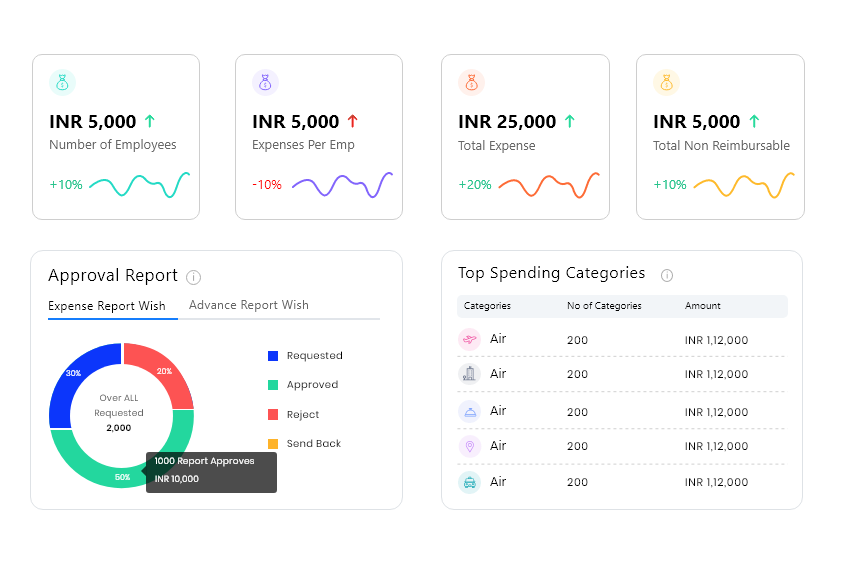
Revenue generation demonstrates commercial viability and growth potential of expense management market participants. The Expense Management Software Market Revenue composition reflects diverse income streams from software, services, and card program partnerships. Financial metrics guide investment decisions and validate strategies pursued by expense management vendors. The Expense Management Software Market size is projected to grow USD 23.88 Billion by 2035, exhibiting a CAGR of 11.8% during the forecast period 2025-2035. This revenue projection encompasses software subscriptions, implementation services, and transaction-based fees globally. Revenue growth rates indicate market health and business model effectiveness for vendors. Recurring revenue from subscriptions provides predictable income supporting vendor sustainability and investment.
Software subscription revenue derives from platform access fees based on user counts and functionality tiers. Per-user pricing models generate revenue proportional to organizational employee counts using platforms. Per-transaction pricing charges based on expense report volumes processed through systems. Tiered functionality offerings provide upselling opportunities as customers adopt advanced capabilities. Enterprise agreements provide comprehensive access at negotiated rates for large organizations. Consumption-based pricing models charge according to actual usage metrics flexibly. Annual subscriptions provide predictable revenue while multi-year commitments reduce customer churn.
Services revenue supplements software income through implementation and ongoing support activities. Implementation services deploy and configure platforms addressing specific customer requirements. Training services develop user capabilities for effective expense management utilization. Integration services connect expense platforms with accounting and payment systems. Consulting services advise customers on policy optimization and process improvement. Support contracts provide ongoing technical assistance and issue resolution. Managed services handle platform administration for customers preferring outsourced management.
Transaction and partnership revenue derives from payment processing and card program relationships. Card program partnerships generate revenue from transaction processing and interchange sharing. Payment processing fees apply to reimbursement transactions processed through platforms. Travel booking commissions derive from integrated travel booking capabilities. Supplier network participation generates revenue from vendor payment facilitation. Data monetization provides insights to travel suppliers and vendors. Premium feature transactions generate incremental revenue for enhanced capabilities.
Top Trending Reports -
Germany Optical Character Recognition Market Competitive Landscape
Spain Optical Character Recognition Market Competitive Landscape
GCC Operational Technology Security Market Competitive Landscape

 فارسی
فارسی
 French
 Spanish
 Portuguese
 Deutsch
 Turkish
 Dutch
Dutch
 Italiano
 Russian
 Romaian
 Portuguese (Brazil)
 Greek
Greek
 Arabic