
The Growing Role of Digital Education Content in Online Learning
Introduction and Market and Industry Overview:
Digital education content has become a cornerstone of modern learning ecosystems, reshaping how knowledge is created, delivered, and consumed. As education systems evolve alongside digital transformation, learning materials are no longer limited to textbooks or physical classrooms. Instead, they are delivered through interactive videos, e-books, simulations, virtual classrooms, and adaptive learning platforms. This shift supports flexible, on-demand learning experiences that cater to diverse audiences, including students, professionals, educators, and lifelong learners. Digital education content plays a vital role in improving accessibility, personalization, and engagement across formal education, corporate training, and skill development environments.
Key Concepts and Core Components:
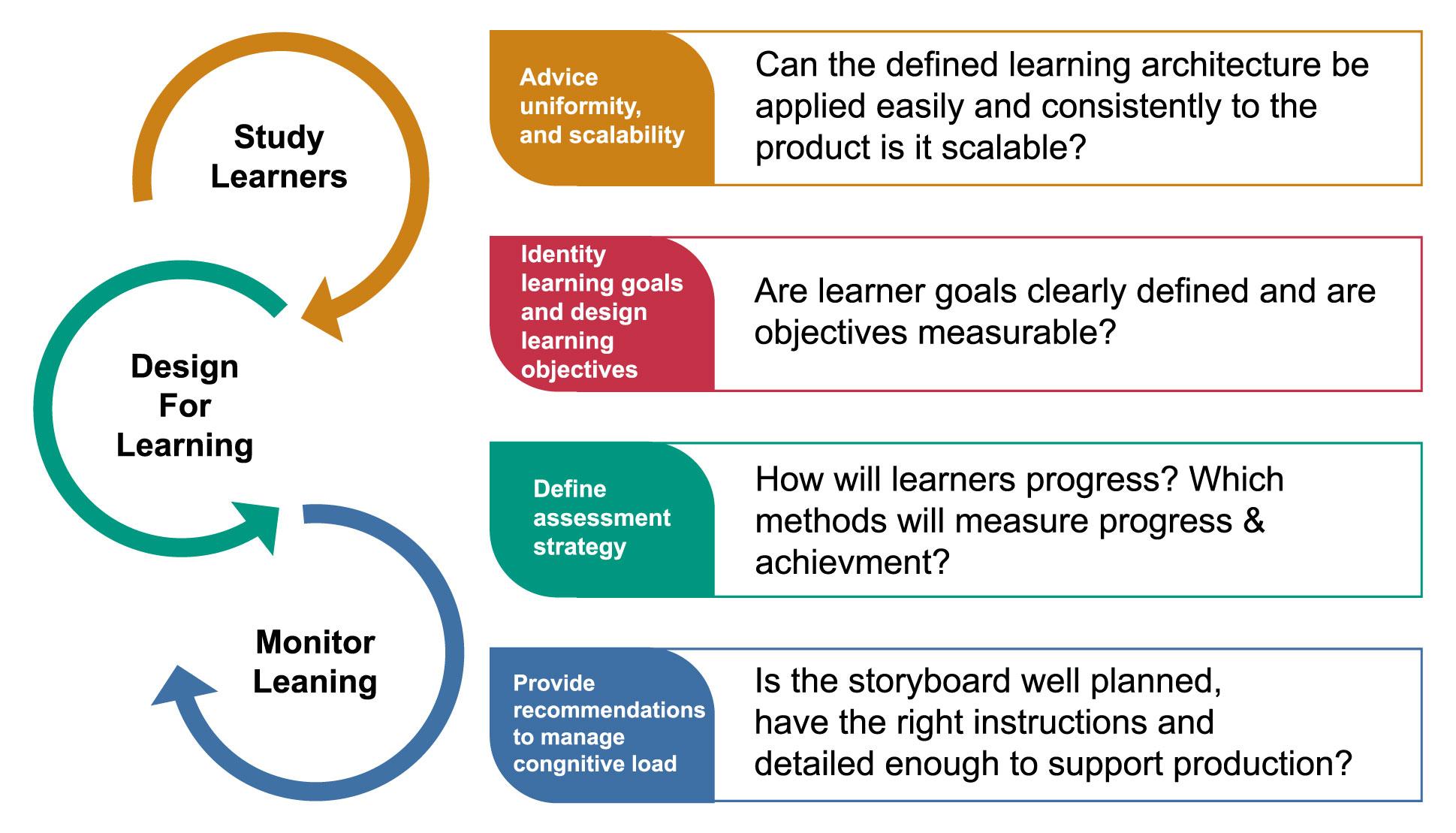
At its core, digital education content refers to structured learning materials designed for digital delivery. These materials are built around instructional design principles that prioritize clarity, engagement, and learning outcomes. Core components include multimedia lessons, assessments, interactive exercises, and supporting resources such as discussion forums and downloadable materials. Content is often aligned with learning objectives and delivered through learning management systems or digital platforms that track progress and performance. User experience, accessibility, and content adaptability are essential elements, ensuring that learners with different needs and devices can benefit equally.
Applications and Use Cases Across Industries:
Digital education content is widely used across academic institutions, corporate organizations, healthcare, government, and vocational training sectors. In schools and universities, it supports blended and remote learning models, enabling students to learn at their own pace while accessing consistent, high-quality resources. In corporate environments, digital learning content is used for employee onboarding, compliance training, leadership development, and upskilling initiatives. Healthcare organizations rely on digital education content for continuous medical education and patient awareness programs. Government and non-profit sectors use it to promote digital literacy, public awareness, and workforce development initiatives.
Growth Drivers and Opportunities:
The growing demand for flexible learning solutions is a major driver behind the expansion of digital education content. Increased internet access, widespread use of smart devices, and changing learner expectations have encouraged organizations to invest in digital-first education strategies. The rise of remote work and hybrid learning models has further accelerated adoption. Opportunities continue to emerge in personalized learning, microlearning modules, and multilingual content that addresses regional and cultural needs. Digital education content also enables institutions to scale their offerings globally without the limitations of physical infrastructure.
Challenges, Risks, and Limitations:
Despite its advantages, digital education content faces several challenges. Ensuring content quality and pedagogical effectiveness remains a critical concern, as poorly designed materials can reduce learner engagement and outcomes. Digital divide issues, such as limited access to devices or reliable internet, can restrict adoption in certain regions. Data privacy and content security are also important considerations, especially when platforms collect learner information. Additionally, maintaining learner motivation in self-paced digital environments can be difficult without proper instructional support and engagement strategies.
Emerging Trends and Innovations:
Innovation continues to shape the digital education content landscape. Adaptive learning technologies are increasingly used to tailor content based on individual learner progress and preferences. Interactive formats such as gamified learning, virtual labs, and immersive simulations are enhancing engagement and knowledge retention. Artificial intelligence is being integrated to automate content recommendations, assessments, and feedback. There is also a growing emphasis on short, focused learning modules that align with modern attention spans and practical skill development. Accessibility-focused design, including inclusive language and assistive features, is becoming a standard practice.
Regional or Industry-Wise Insights:
Adoption patterns for digital education content vary across regions and industries. Developed regions often focus on advanced digital platforms and content personalization, while emerging markets prioritize affordability and mobile-friendly learning solutions. The education sector emphasizes curriculum-aligned digital resources, whereas corporate and industrial sectors prioritize performance-based and role-specific content. Healthcare and technology industries show strong demand for continuously updated learning materials due to rapid innovation and regulatory requirements. These variations highlight the importance of context-aware content strategies that align with local and industry-specific needs.
Future Outlook:
The future of digital education content is closely tied to the broader evolution of digital learning ecosystems. As technology continues to advance, content will become more interactive, data-driven, and learner-centric. Collaboration between educators, content creators, and technology providers will be essential to deliver meaningful learning experiences. Digital education content is expected to play an increasingly strategic role in addressing skill gaps, supporting lifelong learning, and improving educational outcomes worldwide. In conclusion, digital education content represents a transformative force in education and training, offering scalable, flexible, and engaging solutions that align with the needs of modern learners and organizations.
Top Trending Reports -

 فارسی
فارسی
 English
 Spanish
 Portuguese
 Deutsch
 Turkish
 Dutch
Dutch
 Italiano
 Russian
 Romaian
 Portuguese (Brazil)
 Greek
Greek
 Arabic