
Corporate Events: Turning Business Gatherings into Brand Experiences
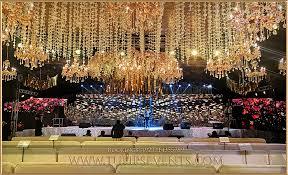
Corporate events are no longer stiff hotel ballroom meetings with predictable speeches and forgettable buffets. Today, corporate events function as strategic tools — designed to inspire teams, strengthen partnerships, and reinforce brand identity in ways that emails and video calls never could.
When executed thoughtfully, corporate events become powerful moments of connection. They move beyond agendas and slideshows and transform into immersive brand experiences.
The Modern Purpose of Corporate Events
In today’s competitive environment, corporate events serve multiple objectives at once. They are not simply meetings; they are platforms for communication, culture-building, and momentum.
Businesses host corporate events to:
-
Launch new products or services
-
Reward employee performance
-
Build client relationships
-
Align teams around strategic goals
-
Strengthen internal culture
Each objective requires a tailored approach. The most effective corporate events start with clarity of purpose rather than decoration or entertainment.
Moving Beyond the Traditional Conference Model
The traditional conference model often focuses heavily on presentations. While information sharing is important, modern audiences expect interaction. Engagement has become the defining factor that separates impactful corporate events from forgettable ones.
Interactive workshops, live demonstrations, moderated discussions, and collaborative activities encourage participation. Instead of passively listening, attendees contribute ideas, ask questions, and form meaningful connections.
This shift from passive attendance to active involvement dramatically increases retention and satisfaction.
The Power of Experience Design in Corporate Events
Successful corporate events are intentionally designed experiences. Every detail — lighting, layout, sound, scheduling — influences how attendees feel and respond.
Consider the psychological impact of:
-
Open seating versus assigned seating
-
Natural lighting versus artificial illumination
-
Intimate breakout rooms versus large auditoriums
-
Networking lounges versus rigid formal dinners
Experience design ensures that the event environment aligns with the event’s goals. A team-building retreat should feel relaxed and collaborative. A product launch should feel dynamic and forward-thinking.
Design is not decoration — it’s strategy.
Technology’s Role in Elevating Corporate Events
Technology has transformed corporate events into hybrid, interactive, and measurable experiences. Digital tools now support:
-
Live polling and audience feedback
-
Event apps for scheduling and networking
-
Hybrid participation for remote attendees
-
Data tracking for engagement analytics
Instead of guessing whether an event succeeded, organizers can now measure engagement in real time. This data-driven approach allows companies to refine future corporate events for even greater impact.
Technology, when used intentionally, enhances connection rather than replacing it.
Building Stronger Teams Through Corporate Events
Internal corporate events are powerful drivers of morale and unity. In fast-paced work environments, employees often operate in silos. Well-planned gatherings break down these barriers.
Team-building exercises, recognition ceremonies, and collaborative workshops strengthen trust and communication. When employees feel seen and valued, productivity improves naturally.
Corporate events create space for appreciation — something often overlooked in daily operations.
Corporate Events as Brand Statements
Every corporate event communicates a message about a company’s values. From venue selection to catering choices, details reflect identity.
A sustainability-focused organization might choose eco-conscious venues and zero-waste catering. A tech-forward brand might integrate digital innovation throughout the event experience. A heritage-driven company may highlight storytelling and tradition.
In this way, corporate events function as live brand statements. They demonstrate values rather than merely declaring them.
Planning Corporate Events with Strategic Precision
Creativity is essential, but strategy drives results. Effective planning involves:
-
Clear objective setting
-
Defined audience understanding
-
Budget private event space alignment
-
Timeline management
-
Risk assessment
-
Post-event evaluation
Without structure, even the most creative ideas can fall flat. With strategic planning, corporate events become purposeful investments rather than expenses.
Measuring Success After the Event
The conclusion of an event is not the end of its value. Post-event analysis is critical. Gathering attendee feedback, reviewing participation metrics, and assessing return on investment provide insights for future improvements.
Key performance indicators may include:
-
Attendance rates
-
Engagement levels
-
Lead generation numbers
-
Employee satisfaction surveys
-
Social media reach
Corporate events should evolve continuously, improving with each iteration.
The Future of Corporate Events
As workplaces continue to adapt to hybrid models and global collaboration, corporate events will remain essential. In-person connection offers something digital communication cannot replicate — authentic human interaction.
The future lies in blending creativity, technology, and intentional design. Companies that approach corporate events strategically will build stronger cultures, deeper partnerships, and more memorable brand impressions.
Final Thoughts
Corporate events are not merely calendar entries. They are strategic opportunities to energize teams, impress clients, and communicate brand identity in real time.
When thoughtfully designed and purpose-driven, corporate events become transformative experiences — moments that influence company culture and business growth long after the last guest leaves.
Check Out More Latest Articles: Click Here

 فارسی
فارسی
 English
 French
 Spanish
 Portuguese
 Deutsch
 Turkish
 Dutch
Dutch
 Italiano
 Romaian
 Portuguese (Brazil)
 Greek
Greek
 Arabic